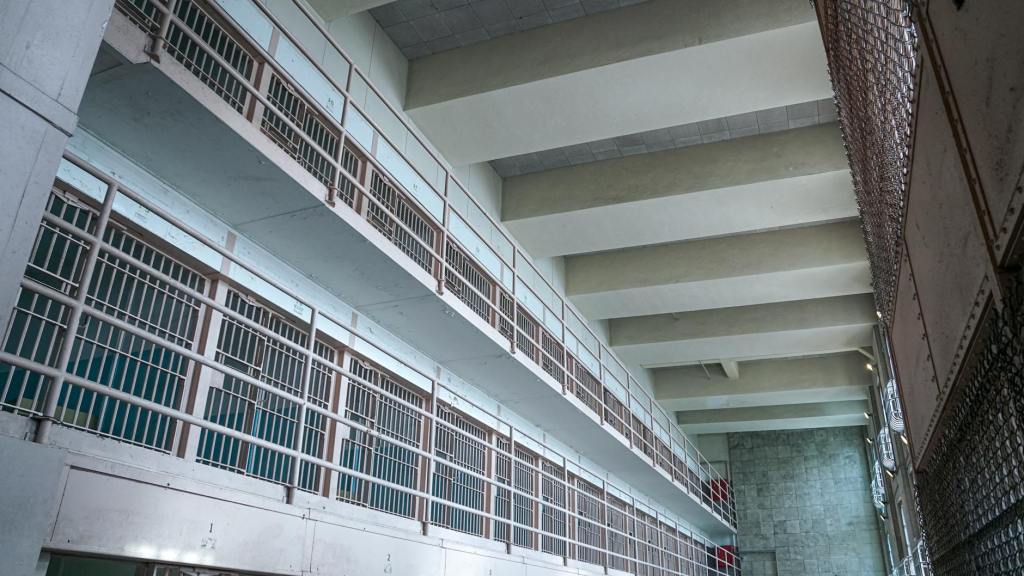
She was arrested the Friday before the Monday when we were sent back home from the office. She would spend the next three months in a cell up north, waiting to be transferred to Louisiana. Louisiana had the reputation of being an overcrowded prison, where the inmates passed their days reading the same books and sweating in the humidity. But nothing was worse than up north.
The COVID measures called for the inmates to be socially distanced, so the guards would let the white women roam freely on the high-ceiling patio while she and the other women of color waited inside their 6-foot cells. Some women had stolen vehicles and trafficked drugs, but there was no worse crime than crossing the border without the proper paperwork. She was deemed more «dangerous,» so she was also denied the books and the menstrual pads.
There were no visitation rights or paper letters, and she would wait every day for my call. The call was her only chance to escape confinement, but at 15 dollars per 30-minute phone call, nobody could afford more than one a day. On the phone, she would cry the whole time, and I would wait for her to stop with nothing to say.
I would google her stories all day at work, as they were hard to believe. And then, when the afternoons came, I would sit down staring out the window with my bubbly beer until night. I was alone without her, and my infinite rage made me hopeless. I wrote her 72 letters that were never sent in the solitude of the travel bans, the closed restaurants, and the shutdown of offices.
One morning, I received the news that she had been transferred. My heart bloomed with joy, knowing she was closer to being finally deported. It’s strange what the heart ends up wishing for.
I cry for her to this day because I know I’ll never see her again.

 MALDITAS PALABRAS POÉTICAS